
From Overthinking to Execution: Confronting Analysis Paralysis in Tech

Analysis Paralysis
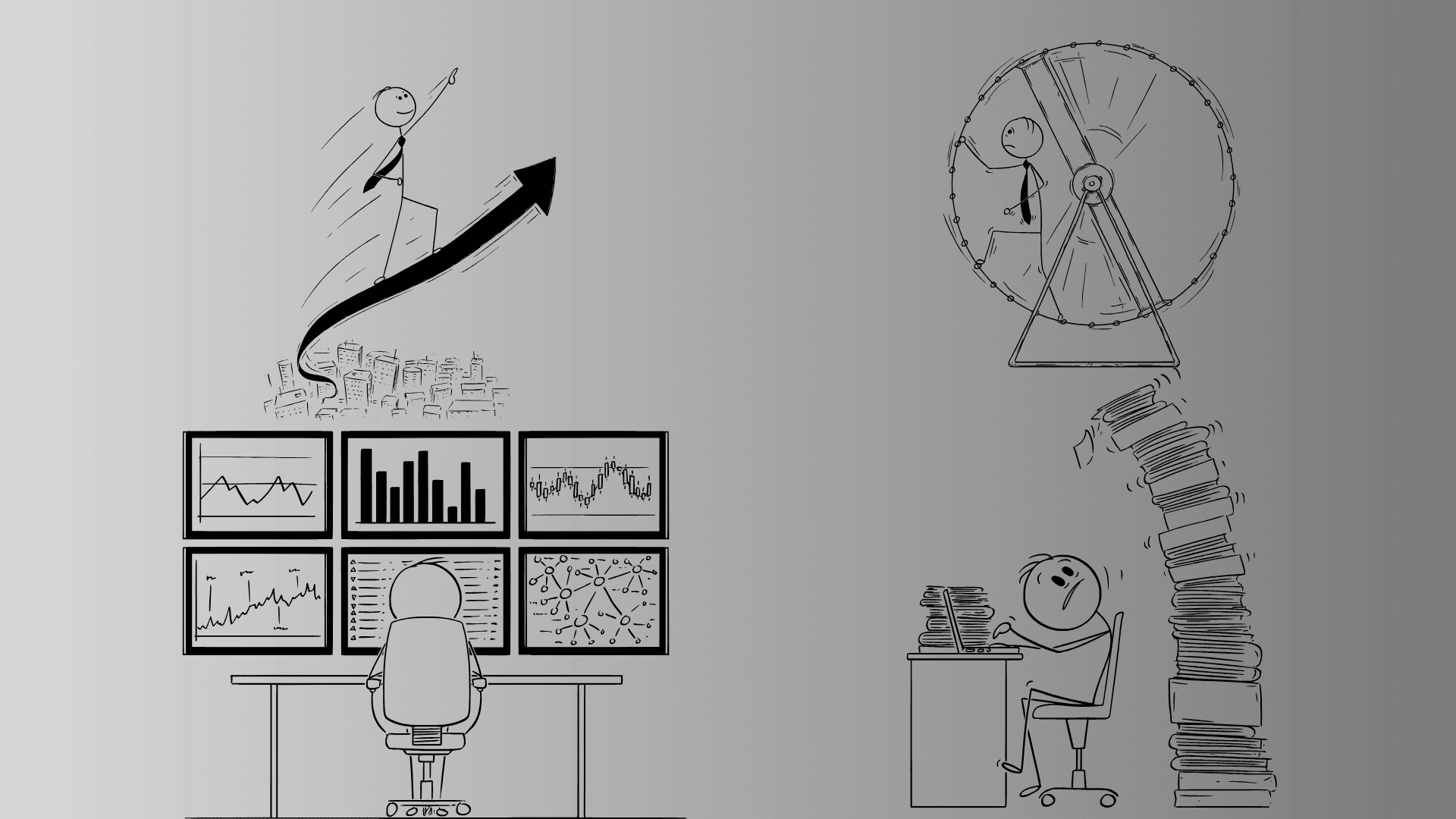
If you’ve ever gone down a rabbit hole trying to find the “perfect” resolution for a challenging ticket, rewritten your troubleshooting notes five times just to make it sound right, or delayed starting a certification because you didn’t feel 100% ready, you’re not the only one. Most of us in IT have been there. It’s not laziness or lack of discipline. It’s analysis paralysis which is a common experience among professionals in all areas of IT.
This article explores how overthinking can subtly stall career growth, personal development, and technical confidence. More importantly, it offers practical strategies I’m using to break through it.
What Is Analysis Paralysis?
Analysis paralysis is a state of inaction caused by over-analysing choices, potential outcomes, or the fear of making the wrong decision. It’s often mistaken for diligence or caution, but in reality, it undermines progress.
In IT, it typically shows up as:
Constantly switching between tools, methods, or documentation without actually resolving the issue.
Obsessing over the “perfect” solution instead of implementing a working fix.
Consuming endless content but producing no tangible results.
Over time, this leads to frustration, imposter syndrome, and burnout. Not from working too hard, but from overthinking for too long.
Why It’s Common in IT Roles
IT professionals, especially those who are detail-oriented, introverted, and/or self-taught are particularly vulnerable to this trap. We’re trained to anticipate failure scenarios, weigh up options, and avoid misconfiguration. However, that mindset, when applied to every single task, can become counterproductive.
Contributing Factors:
Perfectionism: The belief that only flawless work is worth sharing or implementing.
Fear of failure: Especially in front of a user or a manager.
Tool overload: The paralysis that comes from having too many options for a given task.
Imposter syndrome: Feeling the need to “know more” before helping a user or starting a project.
When these factors combine, even small decisions such as choosing the best approach to a ticket or deciding on a new piece of software to test can feel overwhelming especially when it impacts the business.
How I’m Working Through It
I haven’t completely overcome this, but I’ve developed practical strategies coupled with mindfulness that help me take consistent action while staying technically disciplined. The working methods listed below is what I‘ve been using daily in my work and personal projects.
Prioritise Delivery Over Perfection: Rather than waiting until something is “perfectly documented” or “fully automated,” I commit to delivering a first iteration. A working solution however basic , creates momentum, builds confidence, and uncovers genuine problems worth solving.
Impose Intentional Constraints: Rather than keeping all options open, an approach that often leads to decision fatigue , I intentionally narrow my choices. For each project, I commit to a single scripting language, one troubleshooting methodology, or one specific tool. This practice prevents me from falling into the “shiny object syndrome” trap, where chasing new technologies distracts from execution. Clear constraints reduce cognitive overhead and force deeper focus, leading to better outcomes and a more disciplined workflow.
Document While You Learn : Creating documentation whether it be a ticketing system, a team wiki, or a personal notebook forces structure into learning. It transforms passive reading into active knowledge-building. If I can explain a concept or a solution clearly, I understand it well enough to act on it.
Set External Accountability: Self-imposed deadlines are easy to ignore. External ones are harder. I’ve started sharing ticket progress or project updates with colleagues. It creates a gentle pressure to follow through.
Normalise Imperfect Output: It’s tempting to compare ourselves to polished help guides or perfectly organised repositories. But what actually earns respect in the industry is consistently turning up, visibly solving problems, and documenting the journey.
The Core Skill: Comfortable Incompletion
In an environment saturated with tools, knowledge bases, and endless updates, the most valuable skill is the ability to act without knowing everything(which is impossible anyway).
Progress usually comes from execution under uncertainty.
In other words: start first. Refine later.
A Challenge, If You’re Currently Stuck
If you’ve been delaying a project, ticket or are stuck in research mode, try this:
Choose one task you’ve postponed.
Ask yourself: “Realistically, how long would this take me if I focused on just getting it done?” This simple question helps cut through overthinking and gives you a rough timebox to work within. It brings clarity to what might otherwise feel vague or overwhelming.
Use Pomofocus to help you get the ball rolling.
DON’T be afraid to ask for help. 🙂
Write a short summary of what you learned or struggled with.
Do this not to impress anyone, but to rewire the habit.
Conclusion
Overthinking is a symptom of caring deeply about doing things right. This same drive, when channeled into action, becomes a powerful strength.
To unlock this strength, we must shift our focus from seeking perfection to embracing progress. We can achieve this by designing, documenting, testing, and iterating, even when things aren’t perfect. By normalising building before we feel completely ready, we can transform our tendency to overthink into a powerful force for creation and innovation.